
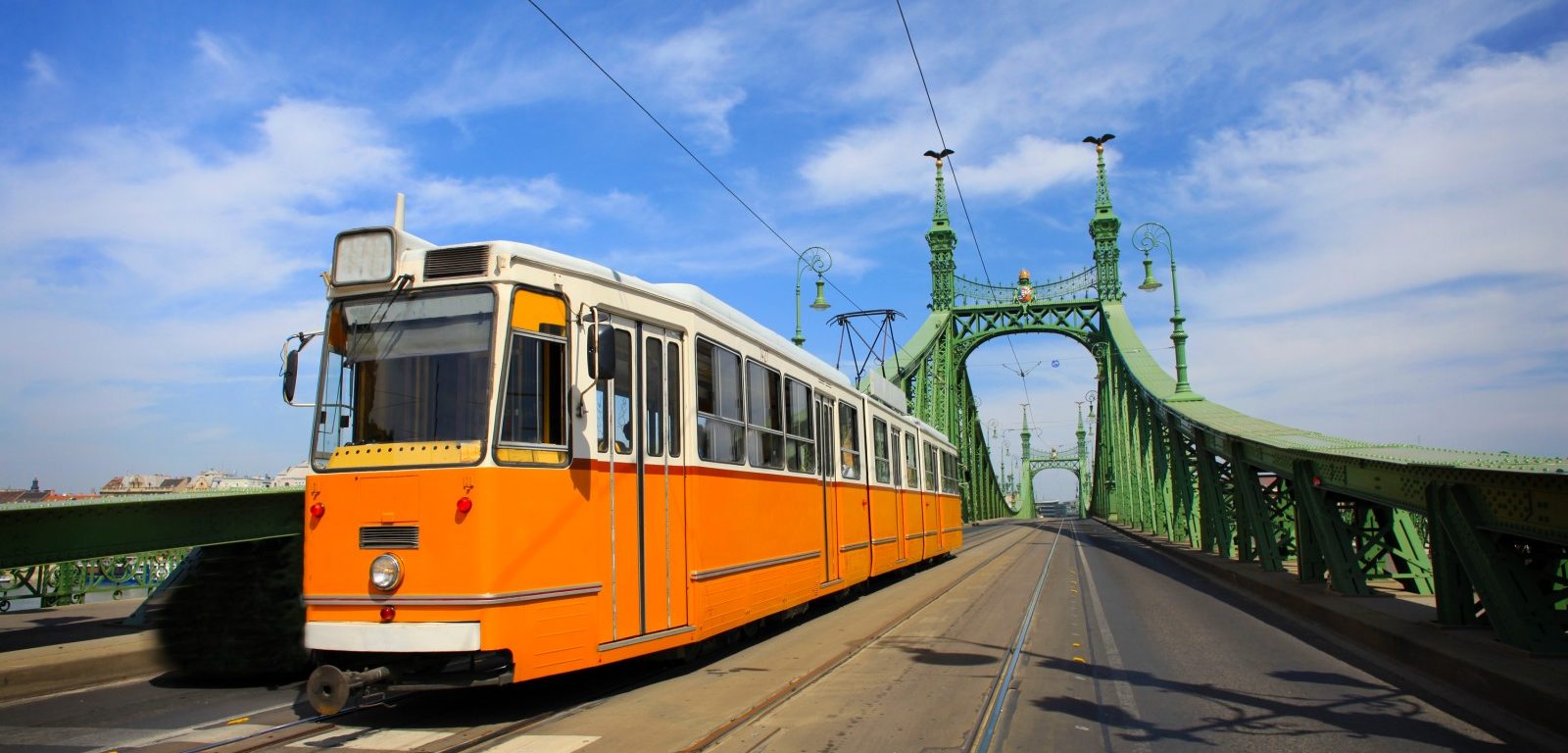
Budapest is stepping into the spotlight as a global leader in urban mobility. It is joining cities like Prague, Munich, Lyon, Kansas City, and Charlotte. These cities are harnessing the potential of tram streetcars to transform the city experience.
These systems are no longer just public transport, Daily News Hungary writes. They have become a key attraction for international tourists. Visitors are seeking efficient, eco-friendly, and convenient ways to explore the city. The Hungarian capital is focused on building a modern tram network for the 21st century. It is investing heavily in upgrading its tram infrastructure. A particular focus is on supporting the new CAF fleet.
The city’s Metropolitan Assembly recently approved a major design project for the Angyalföld depot. This marks a significant step forward for Tram Line 14 and Budapest’s urban mobility strategy. The depot upgrade will include a new hall equipped with advanced braking sand-filling systems. These systems will accommodate CAF trams. The upgrade also involves redesigned depot points and operational improvements along Line 14. This includes key junctions at Fóti út and Dózsa György út. The Angyalföld facility will also be adapted to handle shorter CAF units from the Budafok depot.
With 51 CAF trams set to enter service across six lines, these improvements promise more reliable and faster travel. They also ensure environmentally friendly travel for both commuters and visitors. The design phase is expected to be completed by late summer 2027. Completion is dependent on EU funding and tender approvals. This investment builds on Budapest’s previous tram infrastructure projects. It includes upgrades for the Combino trams.
Trams: From local utility to global attraction
Trams have long been the hidden jewels of urban transport. Across Europe and the United States, they have become symbols of sustainable urban life, blending efficiency with charm. Prague has the largest tram network in Europe. It spans 518 km. Munich operates 79 km of routes. These services are integrated for both daytime and night use. Lyon serves nearly 100 million passengers annually, and Gothenburg’s 173 km network carries around 125 million riders every year.
Budapest’s trams now join this elite club. They offer visitors easy access to landmarks like Buda Castle, the Parliament, and the Danube promenade. The city combines practical transport with sightseeing opportunities. This ensures tourists can experience the full vibrancy of Budapest with minimal hassle.
A sustainable future for Budapest
For Budapest, the message is clear. Trams are more than just a transport option. They are a cornerstone of the city’s future. Budapest is investing in state-of-the-art infrastructure. The city is enhancing everyday commuting. It is reducing the environmental impact. Budapest also offers tourists a seamless way to explore the city.
