
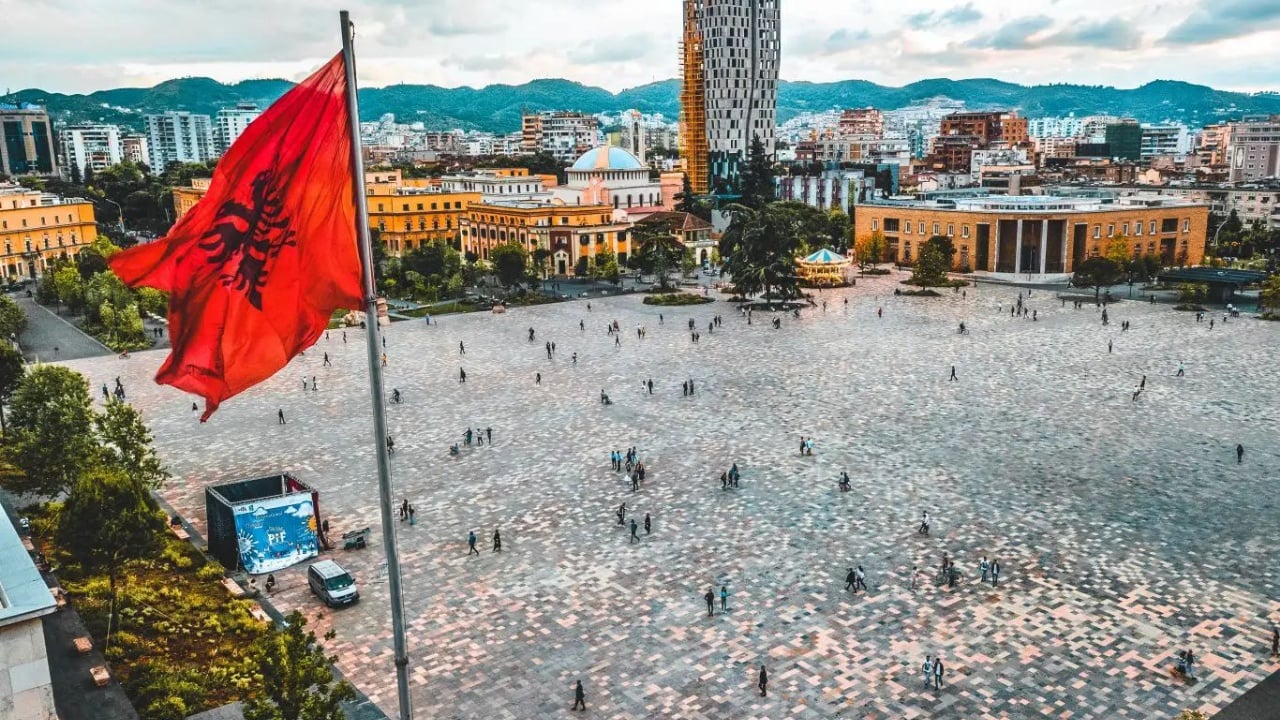
Albania is the second most tourism-dependent country in Europe and 13th in the world, with revenues from this sector accounting for 20% of GDP, according to UN Tourism data.
For some countries, tourism is much more than a travel industry, it is the backbone of the economy. Andorra leads the global rankings, where tourism contributes almost 72% of GDP, making it the most tourism-dependent country in the world.
Aruba and the Maldives follow suit, showing that small economies tied to beaches, resorts and international travel can become heavily dependent on tourist spending.
In the Western Balkans region, Montenegro ranks 16th and Croatia 20th, indicating the high dependence of coastal economies on tourists.
Experts point out that small countries rely more on tourism as they have fewer developed industries such as technology or manufacturing.
Among the largest economies, the United Arab Emirates is among the most dependent on tourism, with visitor spending contributing to more than 10% of GDP. Portugal and Greece also rank relatively high, supported by strong international travel demand and developed coastal tourism.
In contrast, tourism accounts for a relatively small share of GDP in large economies like the US and China, where technology, manufacturing and finance play a much larger role.
The benefits and risks of tourism addiction
Tourism can bring huge benefits: it provides foreign exchange earnings, supports local businesses, and can accelerate investment in infrastructure, including airports and transportation systems. Countries with strong tourism sectors often also benefit from greater global connectivity, as demand for international travel continues to recover after the pandemic.
Heavy dependence on tourism also brings great risks. During the pandemic, some of the most tourism-dependent economies suffered severe blows, as flights were grounded and borders were closed almost immediately.
Environmental pressures add another risk. Overtourism can strain ecosystems, housing prices, and public infrastructure, especially in small coastal destinations that also face climate threats.
Can economies dependent on tourism be diversified?
Many tourism-dependent countries are trying to reduce their exposure to external shocks without abandoning the sector entirely. Policymakers are increasingly promoting higher-value tourism and digital industries to expand sources of economic growth.
However, diversification is easier said than done. Countries with limited natural resources or small populations may not have the capacity to develop large manufacturing or technological industries.
In these cases, tourism remains not just a temporary strategy, but a long-term comparative advantage. The challenge is to make these economies more sustainable, by expanding into new industries, attracting higher-value tourism, and reducing exposure to future travel disruptions.
