
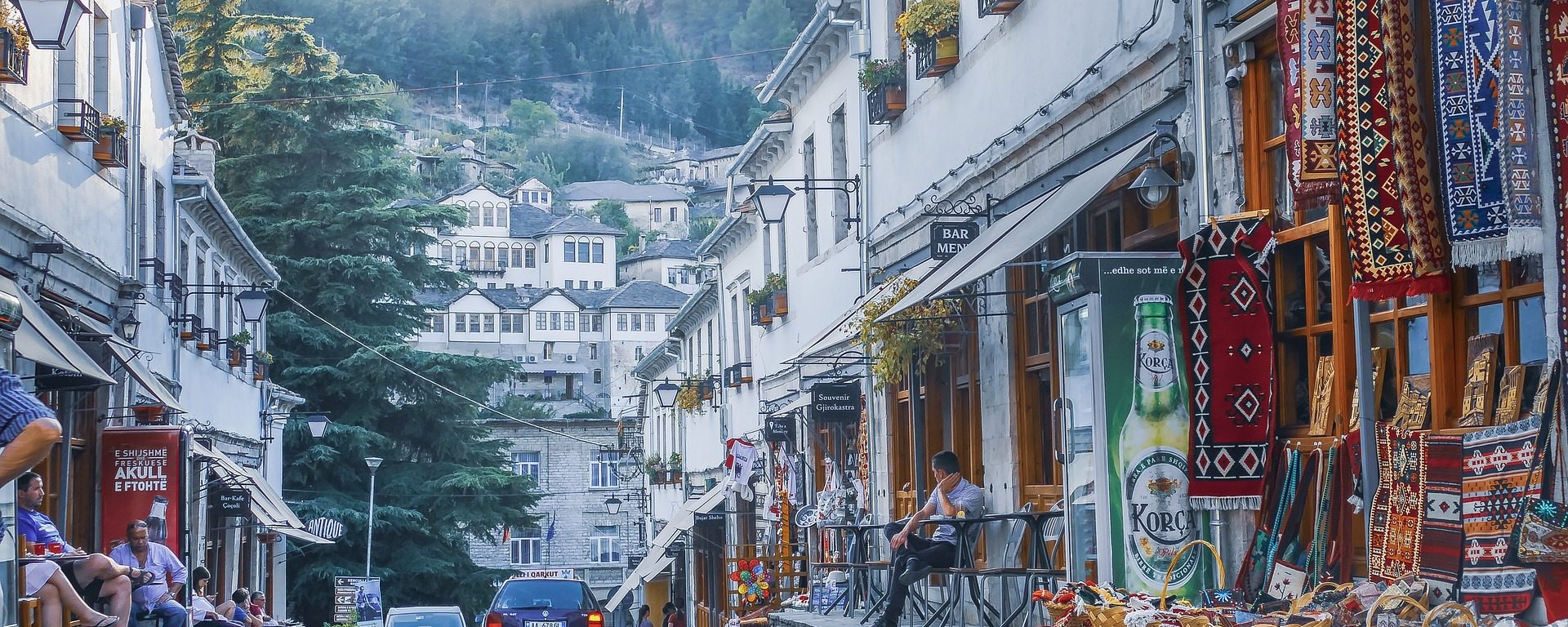
EU enlargement accelerated in 2025, with Montenegro, Albania, Ukraine, and Moldova leading the way in reforms, writes ETN. Commissioner Marta Kos praised their progress, noting that “reforms pay off.” Integration strengthens democracy, fosters economic stability, and promotes tourism, thereby boosting confidence, connectivity, and investment. A larger, well-prepared Union will be stronger, more resilient, and more united.
The Impact of EU Integration on Tourism
Accession to the EU also brings significant benefits to the tourism sectors of new member countries. Integration usually boosts international confidence. It modernizes infrastructure through EU funding. It also raises service standards across hospitality, transport, and cultural heritage management. Reducing administrative barriers aligns with EU norms. This improves travel safety, accessibility, and sustainability. These factors attract both visitors and investors.
For Albania, Montenegro, Ukraine, and Moldova, deeper EU integration can unlock their full tourism potential. Enhanced regional cooperation strengthens tourism offerings. Improved connectivity opens access to new markets. These factors empower local communities and support sustainable development. A more integrated Europe fosters cultural exchange and enhances the visitor experience throughout the continent.
Ensuring High-Quality Reforms and Citizen Confidence
Future enlargements can only be successful if reforms are not just adopted but fully implemented and visible on the ground. It is important to guarantee strong safeguards. These safeguards reassure EU citizens about the integrity of the Union. The Union’s democratic foundations, its values, and the rule of law stay fully protected after accession.
The European Commission is conducting pre-accession policy reviews to prepare for this. These reviews assess the broader impact of enlargement on key policy areas. They examine the reforms needed to guarantee the Union is ready.
